
Best Cycling Accessories for 2026: Stay Safe on Every Ride
Cycling continues to grow in popularity for commuting, fitness, travel, and outdoor recreation. As more riders share the road with cars, motorcycles, buses, scooters, and pedestrians, safety has become more important than ever.
In 2026, the best cycling accessories are no longer just about performance. Helmets, lights, reflective gear, smart devices, and cycling cameras now work together as part of a complete safety system.
Among them, the cycling camera has become especially valuable. Whether helmet-mounted or bike-mounted, it can record traffic behavior, road conditions, close passes, and accident details, helping riders stay safer and better prepared on every ride.

Why Cycling Safety Matters More Than Ever
Cycling safety matters more in 2026 because riders are facing more complex road conditions and higher daily exposure to traffic risks. Key reasons include:
More Complex Urban Traffic
Cyclists often ride through busy intersections, narrow lanes, parked vehicles, and high-density traffic. Even careful riders may face sudden lane changes, blind spots, poor road surfaces, or drivers who do not leave enough space.
Rising Bicycle Commuting
As more people rely on bicycles for commuting, education, and daily transportation, their exposure to traffic-related risks continues to increase. Frequent riders need reliable protection, not just occasional safety habits.
Greater Focus on Prevention and Risk Management
Cycling safety is no longer about reducing injury after a crash. It also includes preventing accidents in heavy traffic, monitoring surrounding vehicles, improving rider visibility in low-light conditions, and documenting incidents when close passes, collisions, or road disputes occur. A safer ride means being seen earlier and understanding the surrounding traffic more clearly.
Growing Need for Video Evidence
After a collision or traffic dispute, people may remember the event differently. A cycling camera can record traffic movement, road position, signals, and surrounding conditions, making it useful for both safety and accident management.
Must-Have Cycling Safety Accessories in 2026
To build a safer ride, cyclists should consider accessories that support protection, visibility, recording, and awareness. The following categories are becoming essential for modern riders:
Cycling Cameras and Video Recording Devices
A cycling camera records the ride and provides useful footage when unexpected events happen. Unlike a regular action camera, it is often used for accident evidence, traffic documentation, and daily safety management. Riders may choose a helmet camera for a rider 's-eye view or a bike-mounted camera for stable front or rear recording.
Lighting and Visibility Accessories
Front lights, rear lights, LED warning lights, and reflective accessories help cyclists stay visible in traffic, especially at night, in rain, tunnels, and low-light conditions. In 2026, more riders are choosing bike cameras with LED lights to improve visibility while recording the road.
Protective Gear
A quality helmet remains a basic but essential cycling accessory. It helps reduce the risk of head injury during a fall or collision. Gloves, eyewear, reflective clothing, and protective pads can also improve comfort and safety, especially for long-distance riders and cyclists who often ride in heavy traffic.
Smart Safety Devices
Smart cycling accessories may include sensors, warning systems, GPS tools, app-connected devices, and rear-view monitoring solutions. These devices help riders become more aware of their surroundings and respond earlier to potential risks.
Why You Should Have a Cycling Camera
A cycling camera, whether helmet-mounted or bike-mounted, has changed from an optional gadget into a practical safety tool. It gives riders more control over how they record, review, and manage their riding experience.
Accident Video Evidence
One major reason to use a cycling camera is to document incidents and provide objective evidence. If a crash, close pass, or traffic dispute happens, recorded footage can help show vehicle movement, road conditions, traffic signals, and the timing of the incident. This can support investigations and insurance claims when responsibility needs to be clarified.
Riding Confidence
Knowing that the ride is being recorded can give cyclists a greater sense of security. For commuters, solo riders, and delivery cyclists, this can make daily riding feel more controlled and less stressful. A visible camera may also encourage surrounding road users to behave more carefully.
Road Awareness
A wide recording angle can capture more surrounding details, since risks may come from the front, side, or rear. A cycling helmet camera records the rider's view, while a rear-mounted bike camera captures vehicles approaching from behind.
Real-Time Viewing and App Connection
Some modern cycling cameras support Wi-Fi connection and mobile app viewing. This allows riders to check footage, adjust settings, or view the camera image through a smartphone. For rear-mounted cameras, this can also help riders understand what is happening behind them more easily.
Ride Recording and Content Sharing
A cycling camera offers benefits beyond rider safety. Riders can use it to record routes, review riding habits, share outdoor experiences, or analyze group rides. For cyclists who enjoy documenting their rides, a safety camera can also become a practical content creation tool.
Choosing Between Helmet-Mounted and Bike-Mounted Cameras
There is no single best camera setup for every cyclist. The right choice depends on the riding environment, mounting preference, recording angle, and how much coverage the rider needs. In general, helmet-mounted cameras and bike-mounted cameras serve different purposes, so understanding their differences can help cyclists choose the most suitable option.
Helmet-Mounted Cameras
Helmet-mounted cameras are designed to record from the rider's point of view. Because the camera moves with the rider's head, it can capture what the cyclist is looking at, including front traffic, side movement, intersections, turning vehicles, and road conditions. This makes helmet-mounted cameras useful for riders who want a more complete record of their riding perspective. This setup is especially suitable for city commuters, road cyclists, group riders, and cyclists who often ride in complex traffic environments. However, riders should also consider comfort, helmet weight, battery life, dual or single lens, and mounting stability before choosing a helmet-mounted camera.
Bike-Mounted Cameras
Bike-mounted cameras are installed directly on the bicycle, such as on the seatpost, saddle rail, or handlebars, and some of them are integrated with safety lights. Compared with helmet-mounted cameras, they usually provide a more stable and fixed recording angle. A rear-mounted camera can record vehicles approaching from behind, while a handlebar-mounted camera can record the road ahead. This setup is a practical choice for riders who prefer simple installation, stable footage, and less weight on the helmet. Bike-mounted cameras are also useful for commuters, night riders, and cyclists who want a clean, everyday safety setup.
Who Needs Bicycle Cameras to Improve Cycling Safety?
Cycling cameras can support many types of riders. Different riding situations may require different levels of recording, visibility, and protection.
Urban commuters
City commuters often ride through heavy traffic, intersections, scooters, parked cars, and crowded streets. A cycling camera helps record daily routes and provides useful footage if an incident happens.
Long-distance and road cyclists
Long-distance cyclists spend more time on the road and may ride through unfamiliar areas. A camera can help record the route, document road conditions, and provide extra protection during longer rides.
Night Riders
Night riders need stronger visibility and better recording support in low-light environments. For this type of riding, a bike-mounted camera with LED light support can help riders stay more visible while keeping a video record of the ride. LOOKING's LX2 Trekcam with LED Light is one example of this category, combining rear visibility support with cycling video recording for safer night rides.
Group riders and cycling teams
For group rides, cycling cameras can help review riding distance, route safety, team movement, and unexpected incidents. They can also be used for training review or shared ride documentation.
Commercial cyclists and delivery riders
Delivery riders and commercial cyclists spend many hours on the road. A camera can support risk management, record traffic disputes, and provide evidence when accidents or delivery-related incidents occur.
Build a Safer Ride with LOOKING
The best cycling accessories in 2026 are those that help riders stay protected, visible, and prepared. A complete safety setup should include protective gear, reliable lighting, reflective accessories, and a practical recording device.
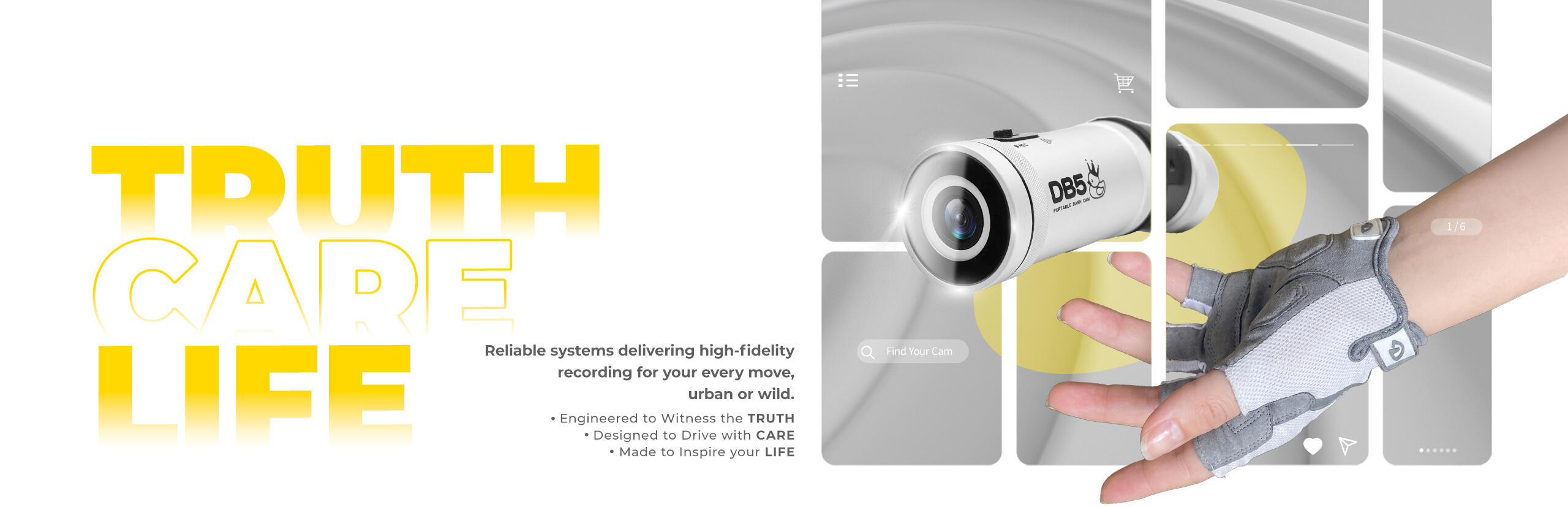
For riders who want helmet-based front and rear coverage, LOOKING's DB5s Dual Lens Helmet Camera records the ride from the rider's perspective. For those who prefer a bike-mounted camera with added visibility, the LX2 Trekcam with LED Light combines video recording and LED warning light support in one compact design. To learn more about choosing the right cycling camera for your riding needs, please contact us.
Every cyclist has different safety needs. Commuters may need rear traffic documentation, road cyclists may prefer wider recording coverage, and night riders may need stronger visibility. By choosing the right cycling camera and safety accessories, riders can build a smarter protection system for every ride.
In 2026, cycling safety is evolving from passive accident response to proactive risk management. With reliable recording, improved visibility, and better ride documentation, cyclists can make more informed safety decisions and ride with greater confidence throughout every journey.